High-Risk Pregnancy Basel – Care After Miscarriage
Specialised, close-interval care after miscarriages or previous pregnancy complications – personally coordinated by Dr. Wagner.
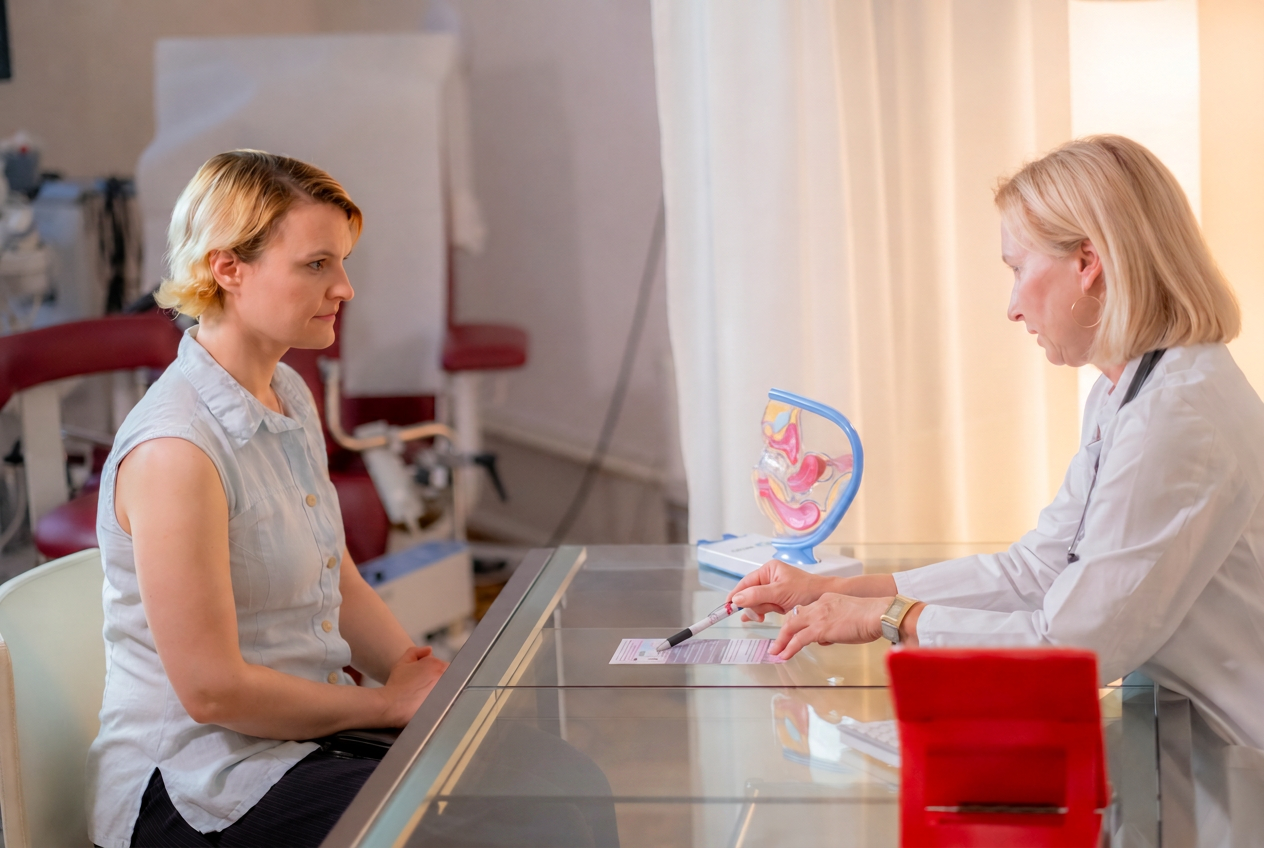
- Who it is for
- After miscarriage, pre-eclampsia, preterm birth, growth restriction, gestational diabetes or with multiples
- Appointment
- Closely monitored care planned individually – ideally already before pregnancy
- Costs
- Basic insurance covers medically necessary additional checks
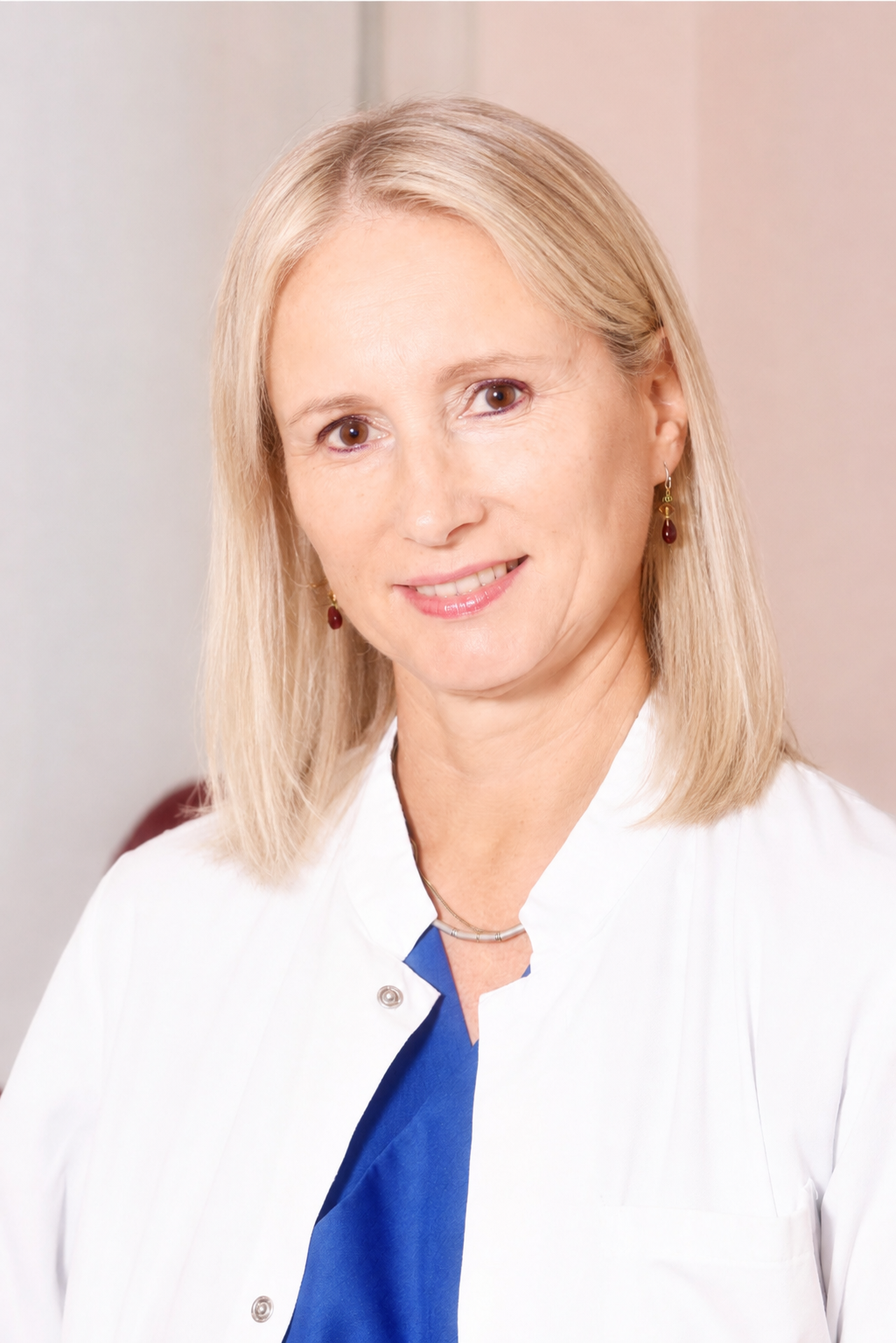
Personally coordinated by Dr. Wagner – short paths, one contact person.
After recurrent miscarriage, pre-eclampsia, preterm birth, growth restriction, gestational diabetes or in multiple pregnancies, specialised pregnancy care is advisable. Ideally, it should start even before the next pregnancy. Basic insurance covers medically necessary additional checks.
At a glance
A high-risk pregnancy exists when a patient's history, maternal conditions or findings in the current pregnancy indicate an increased risk to mother or child. Care includes an individual risk assessment, close ultrasound and laboratory monitoring, preventive treatments (e.g. aspirin after pre-eclampsia, progesterone after previous preterm birth) and coordination with haematology, human genetics, reproductive medicine or specialised prenatal medicine.
- FMH board-certified specialist in gynaecology and obstetrics
- Individual care plans – no standard protocols
- Close coordination with specialised prenatal medicine and the birth clinic
- Short-notice appointments for a stressful medical history
Concern
A stressful history does not have to repeat itself.
After recurrent miscarriages or previous severe pregnancy complications, the next pregnancy is often accompanied by worry. Many risks can now be identified early and treated specifically.
A structured approach to care from the outset is essential – ideally already before the next pregnancy. This allows work-ups to be carried out calmly and preventive measures (e.g. aspirin after pre-eclampsia) to be planned in good time.
Dr. Wagner coordinates collaboration with haematology, human genetics, reproductive medicine and specialised prenatal medicine as needed – you retain one dedicated point of contact throughout the pregnancy.
Treatment
When is specialised care advisable?
Close-interval pregnancy care is particularly indicated for:
- 01Recurrent miscarriage (recurrent pregnancy loss)
- 02Pregnancy after a late miscarriage or intrauterine fetal death
- 03Previous preterm birth
- 04History of pre-eclampsia or HELLP syndrome
- 05Previous fetal growth restriction
- 06Gestational diabetes
- 07Multiple pregnancy
- 08Advanced maternal age or chronic pre-existing conditions (e.g. high blood pressure, diabetes)
- 09Smoking, recurring infections, or high stress levels
Who it's for
Focus areas of specialised care
- Recurrent miscarriage – work-up of hormone status, immunology, coagulation (thrombophilia, antiphospholipid syndrome), uterine ultrasound and, if needed, genetic counselling.
- After late loss or intrauterine fetal death – individual monitoring plan with additional ultrasound and Doppler checks, early birth planning.
- Preterm birth risk screening – transvaginal cervical length measurement (typically between weeks 16 and 24), if needed supplemented by a fetal fibronectin test (fFN) to assess acute preterm labour risk.
- Previous preterm birth – regular cervical length measurement, progesterone treatment for a shortened cervix, cerclage if needed in consultation with the birth clinic, early treatment of infections.
- After pre-eclampsia / HELLP – early low-dose aspirin prophylaxis (ideally before week 16), blood pressure, urine and Doppler monitoring.
- Previous growth restriction – regular growth checks and Doppler measurements, aspirin prophylaxis if needed.
- Gestational diabetes – OGTT (weeks 24–28, earlier if at risk), dietary counselling, blood glucose self-monitoring, insulin therapy in collaboration with diabetology if needed.
- Multiple pregnancy – early determination of chorionicity, shortened check intervals, growth and Doppler monitoring of both babies.
- Lifestyle and nutrition counselling – individual recommendations on stress management, nutrition, exercise and smoking cessation as part of prevention.
Related topics
Process
How care proceeds
From the initial visit to birth planning – every step is individually adapted to your history.
- Step 01
Initial consultation – ideally before pregnancy
Review of your history, examination of existing findings, personal risk assessment.
- Step 02
Targeted work-up
Laboratory tests, coagulation studies, ultrasound – tailored to your individual situation.
- Step 03
Individual care plan
Check intervals, preventive treatments (e.g. aspirin, progesterone), monitoring schedule.
- Step 04
Close-interval support
Early ultrasound checks, short-notice appointments, direct availability – especially in the first weeks after a stressful history.
- Step 05
Coordination with specialists
Haematology, human genetics, reproductive medicine and specialised prenatal medicine – Dr. Wagner remains your central point of contact.
Frequently asked questions
What patients often ask.
Medically reviewed by Dr. med. Anna Margareta Wagner
Board-certified specialist (FMH) in Gynaecology and Obstetrics, specialising in intimate surgery, ultrasound diagnostics and individual women's health.
Last medically reviewed:
Sources & associations
Leave a short note – we will call you back.
Two minutes, four questions. For prescriptions, reports or administrative matters there is a separate form – no appointment needed.
Send your details – I will get back to you.
Vertraulich. A detailed personal consultation always takes place before any treatment.
Book your appointment online.
Online via Doctena or by phone at +41 61 666 62 10.
Emergency: For acute, severe symptoms outside office hours, call the medical emergency line 144 or go to the emergency department of the University Hospital Basel.
Medical notice: The content of this page is for general information only and does not replace personal medical advice, diagnosis or treatment. Measures are discussed individually during the consultation and are based on medical history, examination and current guidelines.
Privacy: Doctena's privacy policy applies to online bookings made via Doctena. Practice-internal data is processed in accordance with the Swiss Data Protection Act (DSG).