Pregnancy Ultrasound Basel
Pregnancy ultrasound provides a direct visual assessment of development, growth, placenta and amniotic fluid – SGUM-certified, with 20 years of experience.
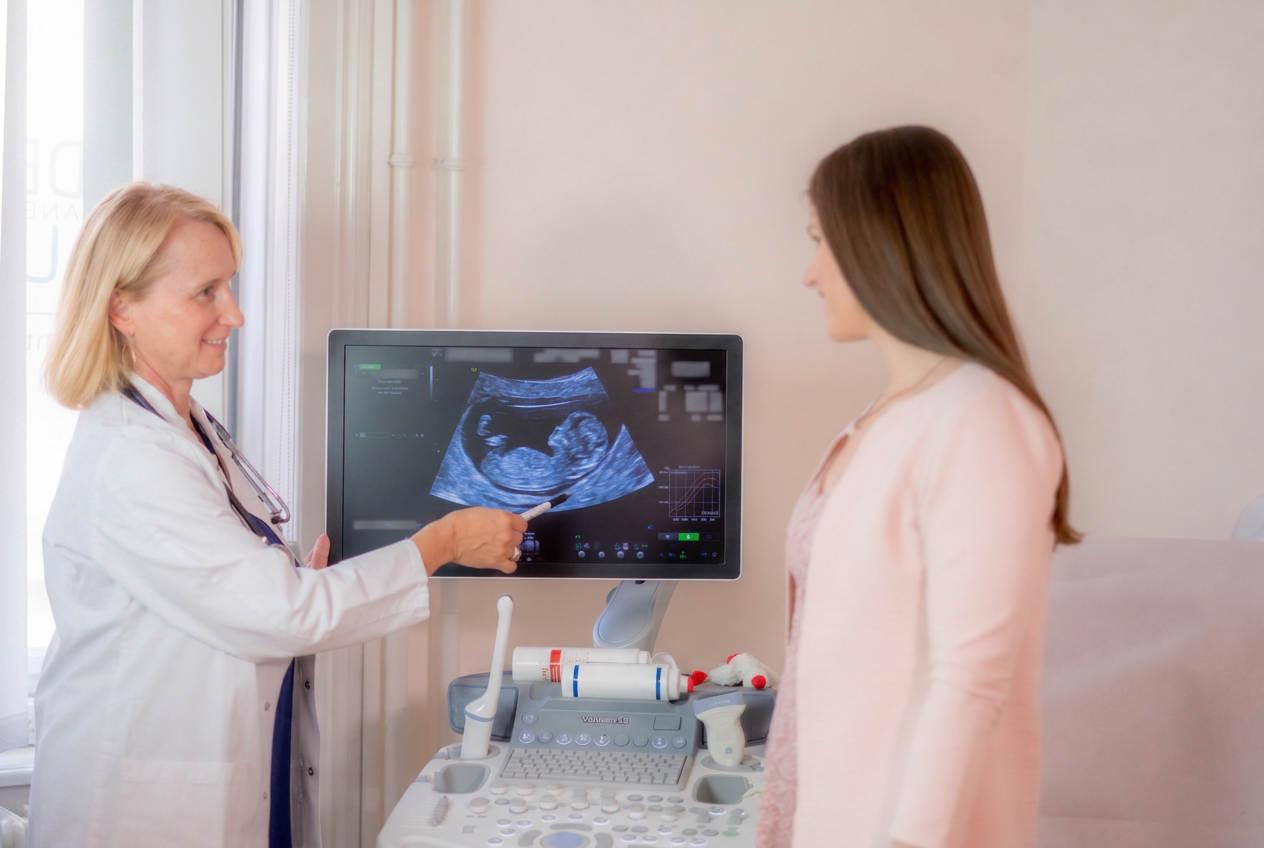
- Who it is for
- Pregnant women for first-trimester screening (weeks 12–14), anomaly scan (weeks 20–23) or extra checks
- Appointment
- Ultrasound and discussion with Dr. Wagner in the same appointment
- Costs
- Both screenings covered by basic insurance; 3D/4D from CHF 250 self-pay
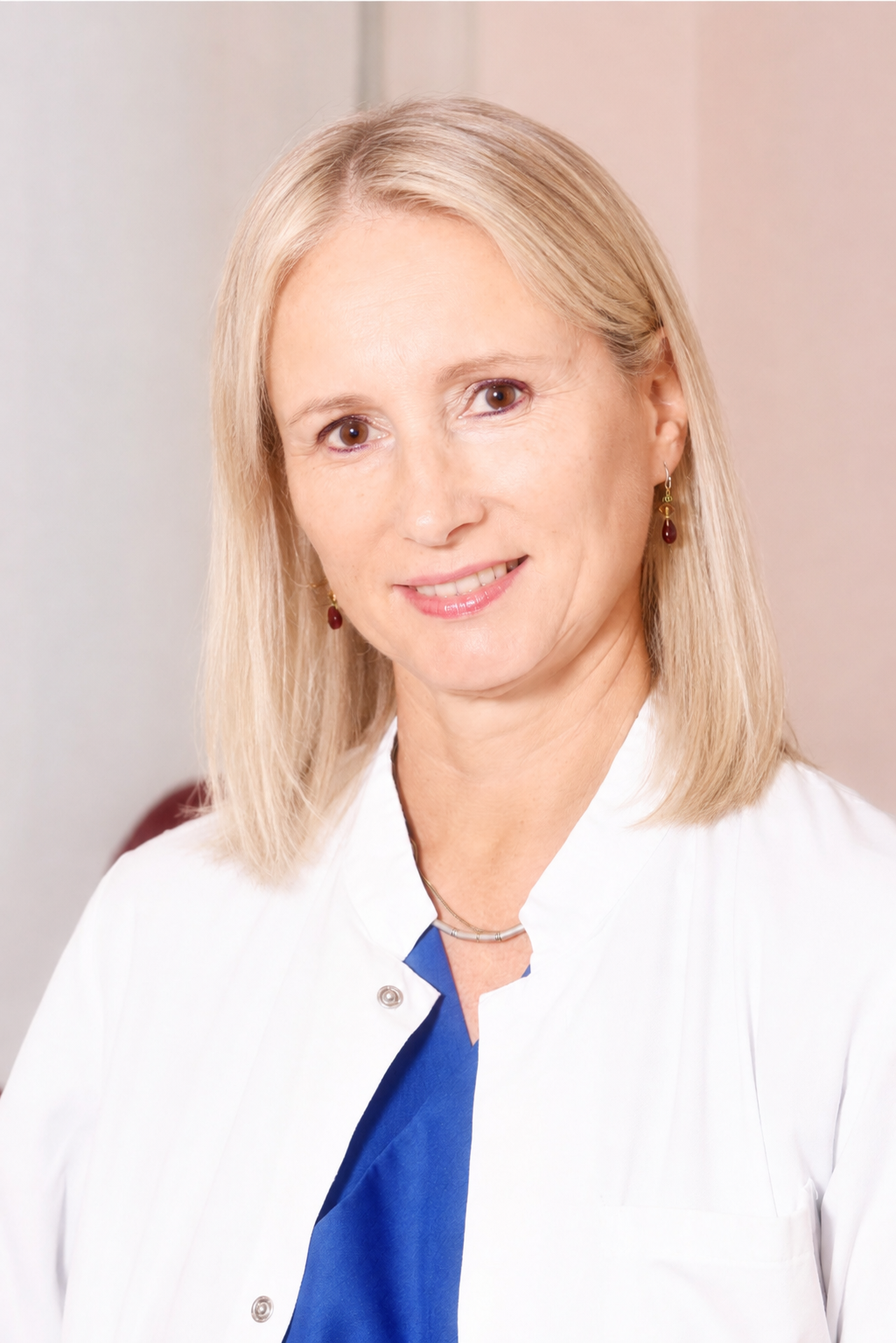
SGUM certificate in pregnancy ultrasound, 20 years of experience.
Two screening ultrasounds are covered by insurance in an uncomplicated pregnancy: first-trimester ultrasound (basic insurance: weeks 12–14; medical window 11+0–13+6 weeks) and anomaly ultrasound (weeks 20–23). Dr. Wagner holds the SGUM certificate of competence in pregnancy ultrasound – a prerequisite for billing through health insurance – and has performed obstetric ultrasound examinations for 20 years.
At a glance
Pregnancy ultrasound includes the screening examinations covered by basic insurance (first-trimester ultrasound between weeks 12 and 14; medical window 11+0 to 13+6 weeks, and anomaly ultrasound between weeks 20 and 23), Doppler sonography to assess fetal and placental blood flow, further ultrasound checks where medically indicated, and 3D/4D ultrasound as a self-pay service. All examinations follow the recommendations of the SGUM (Swiss Society of Ultrasound in Medicine) and the ALARA principle.
- SGUM certificate of competence in "pregnancy ultrasound"
- 20 years of experience with obstetric ultrasound
- Examinations following SGUM recommendations and the ALARA principle
- Direct connection to specialised prenatal medicine
Concern
Experience you can trust.
Ultrasound is the central imaging method in pregnancy and one of the most important examinations in your entire care. Dr. Wagner has performed ultrasound examinations of unborn babies for 20 years and holds the SGUM certificate of competence in "pregnancy ultrasound" – the qualification required in Switzerland for screening examinations to be billed through health insurance.
All examinations follow the recommendations of the SGUM – with modern equipment, careful image documentation, and thorough counselling before and after each examination.
Treatment
Two screening examinations – covered by basic insurance
For every uncomplicated pregnancy, health insurance covers two ultrasound examinations. The prerequisite is a thorough information and counselling discussion before the examination – which is, of course, part of our service.
- 01First screening ultrasound – basic insurance: weeks 12–14; medical window 11+0 to 13+6 weeks (FOPH / ISUOG).
- 02Second screening ultrasound (anomaly ultrasound) – weeks 20–23.
- 03In high-risk pregnancies or with abnormal findings, further ultrasound examinations are performed based on medical judgement and are also covered by insurance.
- 04Doppler sonography for specific questions regarding blood flow to the baby or placenta.
- 053D/4D ultrasound as a self-pay service – supplementary, not a replacement for screening.
Who it's for
First-trimester screening (11+0–13+6 weeks)
- Is the pregnancy located correctly, and is the baby alive?
- How far along exactly is the pregnancy? Measuring the crown-rump length in this window is the most precise method for determining the due date.
- Is it a multiple pregnancy? If so, chorionicity (membrane relationship) is determined now – the most important factor for further care.
- Is the baby's early anatomy unremarkable? Signs of certain severe malformations can already be detected in the first trimester. However, a normal finding cannot fully rule out malformations.
- On request: measurement of nuchal translucency as part of the first-trimester test to assess the risk of chromosomal abnormalities – supplemented by counselling on the non-invasive prenatal test (NIPT).
- Whether and to what extent you want a risk assessment is your decision – following counselling that informs rather than unsettles.
Related topics
Process
The anomaly ultrasound (weeks 20–23)
The second screening examination is the major anatomical examination of your baby. The baby's organs can now be assessed systematically – depending on position and examination conditions. A normal finding provides a high degree of reassurance; not every abnormality can be detected by ultrasound, and some developments only become apparent later. In case of unclear or abnormal findings, direct referral to specialised prenatal medicine follows.

- Step 01
Brain, face, spine
Systematic assessment of the central structures – depending on position and examination conditions.
- Step 02
Heart
Assessment of the heart structures and great vessels as part of the basic screening.
- Step 03
Abdominal organs
Gastrointestinal tract, kidneys, bladder – as far as visible.
- Step 04
Limbs
Check of all four limbs.
- Step 05
Growth & amniotic fluid
Biometry of the baby and assessment of amniotic fluid volume.
- Step 06
Placenta, umbilical cord, cervix
Placental location, umbilical cord insertion, and measurement of cervical length – an important part of preterm birth prevention.
Frequently asked questions
What patients often ask.
Medically reviewed by Dr. med. Anna Margareta Wagner
Board-certified specialist (FMH) in Gynaecology and Obstetrics, specialising in intimate surgery, ultrasound diagnostics and individual women's health.
Last medically reviewed:
Sources & associations
Leave a short note – we will call you back.
Two minutes, four questions. For prescriptions, reports or administrative matters there is a separate form – no appointment needed.
Send your details – I will get back to you.
Vertraulich. A detailed personal consultation always takes place before any treatment.
Book your appointment online.
Online via Doctena or by phone at +41 61 666 62 10.
Emergency: For acute, severe symptoms outside office hours, call the medical emergency line 144 or go to the emergency department of the University Hospital Basel.
Medical notice: The content of this page is for general information only and does not replace personal medical advice, diagnosis or treatment. Measures are discussed individually during the consultation and are based on medical history, examination and current guidelines.
Privacy: Doctena's privacy policy applies to online bookings made via Doctena. Practice-internal data is processed in accordance with the Swiss Data Protection Act (DSG).